Kitchen Traditions, Not Quick Fixes

The Old Kitchen Story Behind biblical drink (oil)/ Honey blend and How Families Once Prepared Meals

Long before charts and apps, home cooks leaned on simple routines passed down at the table. This is the story of biblical drink (oil)/ Honey blend as a kitchen tradition — not a treatment, not a fix, just a habit worth understanding. Always keep your own doctor in the loop before changing anything about your routine.

Daily Habits  ·  Everyday Nutrition  ·  Educational Content  ·  Daily Habits

The Ordinary Afternoon That Started This Conversation

Picture a regular Tuesday. Lunch is over. The dishes are still in the sink. And somehow, energy is already gone. Sound familiar? These four moments come up again and again for people who pay attention to what they eat.

The Post-Lunch Slump

One minute you're fine, the next you're reaching for the couch. That afternoon dip after eating is one of the most common complaints people share about their daily rhythm.

Mornings That Start Heavy

Waking up tired, even after a full night's sleep, is a familiar frustration. Many people notice it's tied less to rest and more to what dinner looked like the night before.

The 'What Do I Even Eat' Fatigue

Grocery aisles feel like a maze of conflicting advice. Is it the bread? The fruit? The sauce? The confusion itself becomes exhausting, separate from the food.

The Weight of Every Single Meal

When every plate feels like a decision with stakes, eating stops being simple. That mental load, meal after meal, day after day, adds up quietly.

Kitchen Myths That Just Won't Quit

Some ideas about food get repeated so often they start to sound true. Here’s a plain look at three of the most common ones, side by side with what’s actually reasonable to think about.

MYTH

All carbohydrates are the enemy and should be avoided completely.

FACT

Carbohydrates are a normal part of many traditional diets. What often matters more to people is portion, pairing, and the rhythm of the meal — not blanket avoidance.

MYTH

Fruit is basically candy and should be cut out entirely.

FACT

Whole fruit comes with fiber and water that set it apart from processed sugar. Many home cooks simply paid attention to timing and portion, not elimination.

MYTH

There’s a special category of ‘diabetic food’ that’s fundamentally different.

FACT

Most traditional kitchens didn’t cook two separate meals. The conversation was usually about balance on one shared plate, not a separate food category.

A Simple Meal Rhythm From Older Kitchens

Grandmothers didn’t count anything. They followed habits. Here are three that show up again and again in older meal traditions.

01

Vegetables First, Then the Rest

Many traditional meals started with a small vegetable or salad portion before the heavier dishes arrived at the table. It’s a sequencing habit, not a rule about any single food.

02

A Slower Pace at the Table

Meals used to take longer — more conversation, smaller bites, more chewing. That slower rhythm was simply how families ate together, without rushing.

03

A Short Walk After Eating

A walk to the garden, a stroll after dinner, tidying up on foot instead of sitting still — light movement after a meal was just part of daily life, not a formal exercise plan.

Where biblical drink (oil)/ Honey blend Actually Comes From

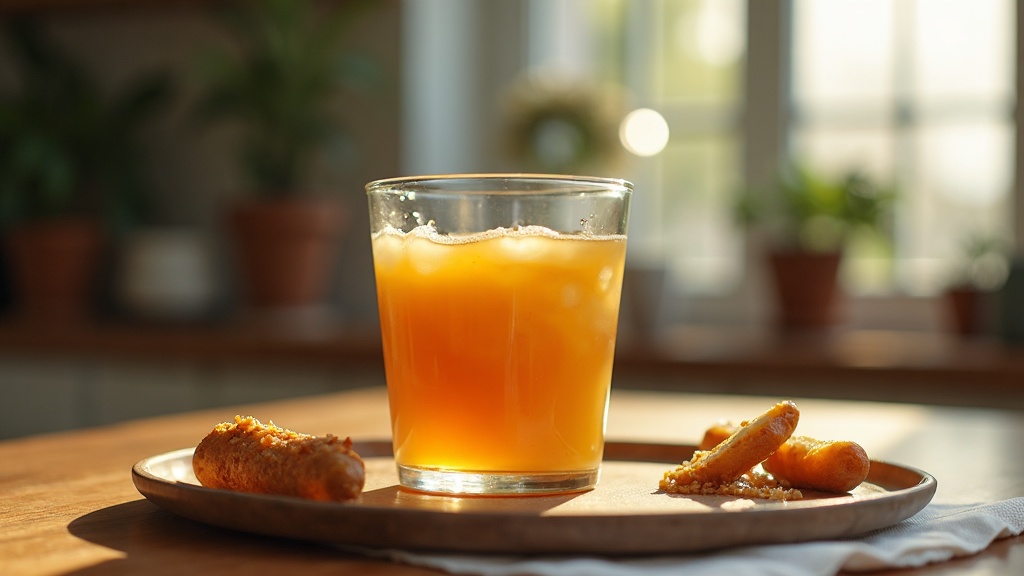
Long before modern kitchens, oil and honey were paired in humble households as a simple combination — often drizzled over bread, stirred into warm water, or added to a evening dish as a small ritual to close the meal. Historical texts and old regional cookbooks mention the pairing as a household staple, valued for its taste and its place in daily custom, passed from one generation of cooks to the next at the family table.

This is a story about culinary heritage — how a household combined two pantry staples out of habit and taste. It has nothing to do with how the body processes food, and it’s not a substitute for anything a healthcare provider has recommended. If you’re curious about it, that’s a conversation worth having with your own doctor, not a decision to make alone.

Everyday Moments Worth Mentioning to Your Doctor

Energy That Crashes at the Same Time Daily

If you notice a predictable dip in energy after certain meals, it's worth describing to the healthcare professional who already knows your history.

Meals That Feel Harder to Plan Than Usual

If mealtime planning has started to feel overwhelming or confusing, your care team can offer guidance suited to your specific situation.

Sleep That Doesn't Feel Restful

Waking up tired despite enough hours in bed is worth mentioning at your next appointment, especially if it's a new or ongoing pattern.

Thirst or Hunger That Feels Unusual for You

Changes in appetite or thirst that feel different from your normal routine are best discussed directly with your doctor, not guessed at home.

Mood Shifts Around Meal Times

If irritability or low mood seems tied to eating patterns, that's useful information to bring to a healthcare visit.

Any Change You're Considering to Your Routine or Treatment

Before adjusting meals, habits, or anything related to a prescribed treatment plan, talk it through with the professional managing your care.

Notes From People Who Reorganized Their Kitchen Habits

I stopped thinking of dinner as a puzzle to solve every night. Having a simple order — vegetables, then everything else — took the guesswork out of it for me.

Diane Cole
Illustrative account
The short walk after dinner became a family thing. My wife and I just started doing it together, and it turned into part of our evening instead of a chore.
Harold Mensah
Illustrative account
Slowing down at the table sounds small, but it changed how our dinners felt. Less rushing, more actually tasting the food.
Priya Nair
Illustrative account

These stories reflect personal experiences with everyday meal habits and are not a guarantee of any outcome. Individual results and experiences vary. Always consult your healthcare provider before changing your diet, routine, or any prescribed treatment.

Curious About the Full Story?

See how an old kitchen habit made its way into modern conversations about everyday meals — presented as history and tradition, not medical advice. As always, keep your doctor part of any decision about your diet or treatment.

Advertising Disclosure: This is sponsored content created for advertising purposes. This page may contain affiliate links, and the owner of this website may receive compensation if you make a purchase or take an action after clicking one of these links. This content is provided for informational and promotional purposes only.

Content Disclaimer: The content on this page is for educational purposes only and has not been evaluated by the Food and Drug Administration (FDA). It is not intended to diagnose, treat, cure, or prevent any disease or condition. Nothing on this page should be considered medical advice or a substitute for professional guidance. Always consult a qualified healthcare professional before making changes to your diet, routine, or any prescribed treatment.

Results Disclaimer: Any testimonials, stories, or examples shared on this page reflect individual experiences and are not a guarantee of specific results. Individual results vary, and testimonials should not be interpreted as a promise or guarantee of any outcome.

© 2026 · All Rights Reserved